
Filter By
THCA Flower
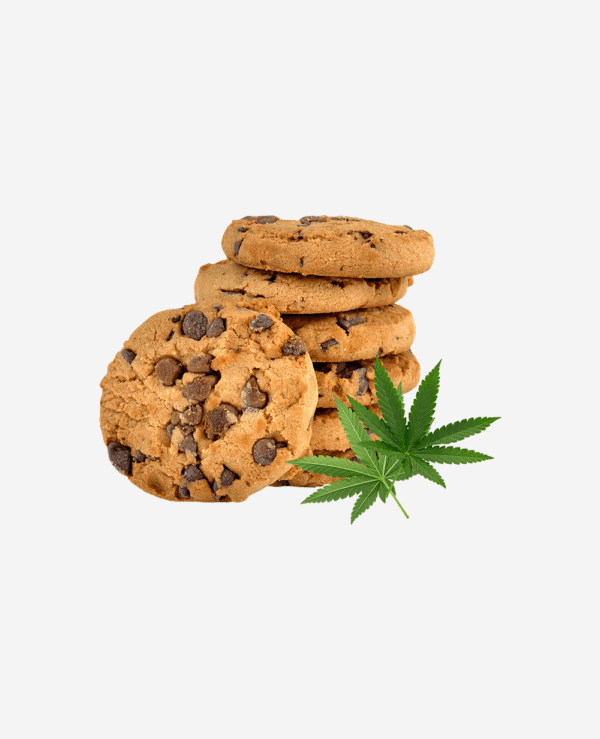
You may have seen it in a local shop or advertised online: THCA flower. It looks and smells just like traditional cannabis, yet it's often sold legally as "hemp" in places where marijuana is not. This isn't a mistake or a gimmick; it's the result of a legal and chemical distinction that has created one of the most talked-about products on the market.
The secret lies in the difference between a raw plant and a finished product. In its natural state, the cannabis plant is full of a non-psychoactive compound called tetrahydrocannabinolic acid (THCA), the inactive parent molecule to THC. On its own, this raw version doesn’t cause a “high,” but it holds the potential to transform completely. This guide explores that transformation, the simple science of THCA vs. THC, the legal framework that makes its sale possible, and what to expect from this unique product.
Meet THCA: The Raw, Non-Psychoactive “Parent” of THC
You might be surprised to learn that fresh cannabis plants don’t actually contain much of the psychoactive THC you’ve heard about. Instead, the raw plant is full of natural compounds called cannabinoids, and the most abundant one is THCA (tetrahydrocannabinolic acid). In this raw, acidic form, THCA is completely non-psychoactive, meaning it won’t cause a “high” on its own.
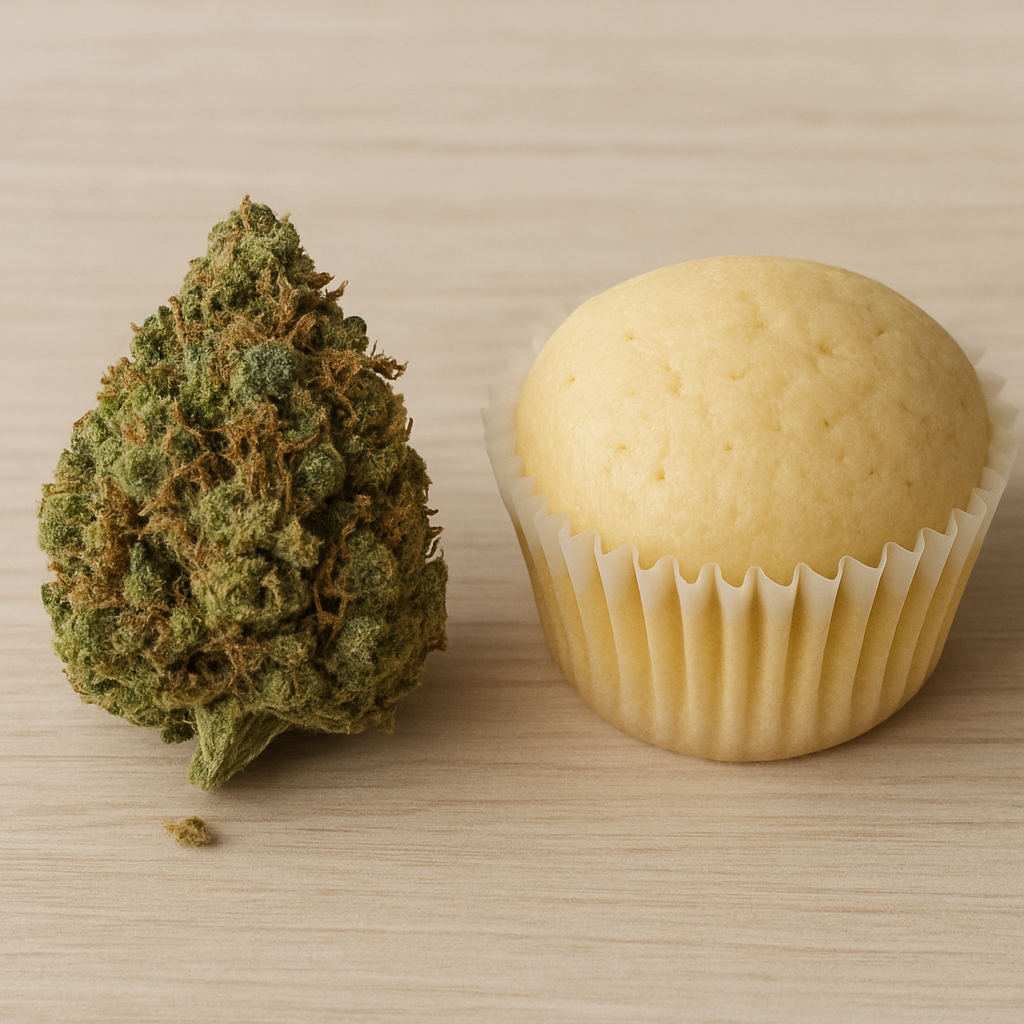
Consider THCA the raw cake batter and the familiar, psychoactive THC as the finished, baked cake. You can’t get the experience of a warm, fluffy cake by just eating the raw batter—it needs heat from the oven to transform. THCA works in a similar way, existing as the inactive potential before it's “cooked.”
If you were to simply eat a raw cannabis bud, its high concentration of THCA would not produce intoxicating effects. For that potential to be unlocked, it needs one crucial ingredient that changes its chemical structure and its effects entirely: heat.
The Magic of Heat: How THCA Becomes Psychoactive THC
This transformation from inactive THCA to psychoactive THC is a scientific process called decarboxylation. While the name sounds complex, the concept is simple: it means activating with heat. Just as an oven’s heat turns batter into a cake, applying heat to THCA flower changes its chemical structure and unlocks its intoxicating potential. Without this crucial step, the compound remains non-psychoactive.
When you use a lighter to smoke flower or use a vaporizer, the intense, immediate heat instantly converts the THCA into THC right before you inhale. This is why smoking or vaping THCA flower produces psychoactive effects nearly identical to those of traditional, THC-dominant cannabis.
The same principle applies if you want to make edibles at home. By baking THCA flower in an oven at a low temperature, you are methodically decarboxylating it. This controlled heating process converts the THCA into THC, which can then be infused into butter or oil to create psychoactive homemade goods.
The user’s action determines the effect. Raw THCA flower is non-intoxicating, but the moment you introduce a heat source—whether a flame, a vaporizer, or an oven—it becomes something else entirely. This critical distinction between the plant in its raw state and what it becomes after being heated is a major reason for its unique legal treatment.
Why THCA Flower Is Legal: A Simple Guide to the 2018 Farm Bill
You’ve just learned that THCA becomes THC with heat, which might make its legal status seem confusing. The answer lies in a key piece of federal legislation: the 2018 Farm Bill. This law created the legal category of “hemp,” distinguishing it from marijuana based on the concentration of one specific compound: Delta‑9 THC, the main intoxicating ingredient in cannabis.
Here is the basic legal logic:
- The law defines hemp as cannabis with less than 0.3% Delta‑9 THC by dry weight.
- Raw cannabis flower is naturally high in THCA (the non-psychoactive compound) but can have Delta‑9 THC levels below this 0.3% threshold.
- As long as Delta‑9 THC stays under that limit, THCA‑rich flower can meet the federal definition of hemp and be treated as legal to produce and sell.
Crucially, the law focuses on the plant’s chemical makeup before you use it, not what it becomes after you apply heat. Because the product is compliant at the point of sale, it is considered hemp. This distinction—regulating the raw product rather than its potential after decarboxylation—is why high‑THCA flower can be sold in many places where traditional high‑THC cannabis cannot, though state rules can differ.
Comparing the Effects: THCA vs. Delta‑9 THC
So, how does smoking or vaping THCA flower actually feel? Since the heat from a lighter or vaporizer instantly converts THCA into Delta‑9 THC, the psychoactive experience is generally considered very similar to that of traditional, state‑regulated cannabis. A higher THCA percentage on the label usually translates to a more potent effect, just as a higher THC percentage would.
For this reason, many users report that the effects of high‑THCA hemp flower—from relaxation and euphoria to altered perception—are indistinguishable from what they’d expect from high‑THC marijuana when it is smoked or vaped.
But what happens if you don’t apply heat? This is where the two forms diverge sharply. Consuming THCA in its raw form, for example by adding the flower to a smoothie, will not produce a “high.” Without heat-driven conversion, THCA remains non-psychoactive. Because of this, some people explore raw THCA for potential wellness‑oriented uses separate from intoxication, though more research is needed.
This creates two very different paths for the same plant: when heated, THCA flower is used for psychoactive effects; when consumed raw, it is explored for non‑intoxicating potential. This dual nature also leads directly to one of the most important practical considerations: its impact on drug testing.
The Critical Question: Will THCA Flower Make You Fail a Drug Test?
Yes, using THCA flower will almost certainly cause you to fail a drug test for THC. Even though the product may be sold as legal hemp, the moment you heat it by smoking or vaping, the THCA converts into the same Delta‑9 THC found in traditional marijuana. From your body’s perspective—and the test’s—they are the same.
Most drug screenings aren’t looking for THC itself but for the byproducts your body creates after processing it, called THC metabolites. When you inhale the THC created from heated THCA flower, your body breaks it down and produces the same metabolites that result from using conventional cannabis. The test simply flags the presence of these compounds.
This means a standard drug test has no way of telling the difference between THC from a state‑licensed dispensary and THC from federally compliant THCA flower. To the test, THC is THC, and its legal source is irrelevant to the outcome. If you are subject to any form of drug testing for employment, legal, or other reasons, you should avoid using THCA flower entirely.
How to Be a Smart Shopper: Finding Quality THCA Flower Online and In‑Store
The key to a good experience is knowing how to verify a product’s quality and compliance. Your most powerful tool is the Certificate of Analysis, or COA—a lab report issued by an independent, third‑party testing lab. Any trustworthy vendor will make these easy to find on their website or via QR code.
When you open a COA, focus on two key numbers:
- Delta‑9 THC percentage: To be federally compliant hemp, this number must be at or below 0.3% by dry weight.
- THCA percentage: A higher THCA number (often 20% or more) indicates stronger potential effects once heated.
To estimate the flower’s potential potency after decarboxylation, you can use a simple rule of thumb for calculating total THC from THCA percentage:
(THCA % × 0.877) + Delta‑9 THC %
This formula helps you accurately compare different products, from premium strains to more budget‑friendly options, and understand what to expect once heat is applied.
Beyond the numbers, knowing where to buy compliant THCA online comes down to vendor transparency. A reputable seller will usually show:
- Accessible lab reports: Up‑to‑date COAs for every product, not just a sample report.
- Verifiable reviews: Real customer feedback on independent platforms, not only on the brand’s own site.
- Clear compliance information: A visible statement about adherence to the 2018 Farm Bill and easy‑to‑find contact details.
THCA vs. Delta‑9 vs. Raw Use: Quick Comparison
| Attribute | Heated THCA Flower (Smoked/Vaped) | Traditional Delta‑9 Flower | Raw THCA Flower (Unheated) |
|---|---|---|---|
| Psychoactive effect | Yes; THCA converts to Delta‑9 THC and feels similar to regular cannabis. | Yes; directly contains Delta‑9 THC in the flower. | No; THCA remains non‑psychoactive without heat. |
| Primary use case | Recreational or experiential use when smoked or vaped. | Recreational or medical use via state‑regulated programs. | Explored for non‑intoxicating, wellness‑oriented applications. |
| Legal framing (federal) | Often sold as “hemp” if Delta‑9 THC is ≤ 0.3% pre‑decarboxylation; state rules vary. | Classified as marijuana when Delta‑9 THC exceeds 0.3%; typically regulated in cannabis programs. | Falls under hemp if Delta‑9 THC stays within the 0.3% limit and remains in raw form. |
| Drug test impact | High risk of failing THC tests due to standard THC metabolites. | High risk of failing THC tests for the same reason. | Low intoxication risk but test outcomes may still depend on how it’s processed and used. |
| Potency indicator on COA | THCA % and calculated total THC using (THCA × 0.877) + Delta‑9 %. | Delta‑9 THC %, plus any listed THCA and other cannabinoids. | THCA % only; no psychoactive effect unless heated later. |
Your THCA Action Plan: From Confused to Confident Consumer
The once‑confusing legal status of THCA flower boils down to a simple principle: heat is the switch that flips inactive THCA into psychoactive THC. With that in mind, you can now explain the core difference between THCA and THC and navigate the market more confidently.
Use this simple mental guide whenever you encounter THCA flower:
Your 3‑Point THCA Checklist:
- Is it legal? Check the lab report for Delta‑9 THC at or below 0.3% by dry weight.
- Will it be psychoactive? Only if you apply heat by smoking, vaping, or cooking.
- Is it safe for drug tests? No—treat it just like regular THC if tests are a concern.
This framework is your key to navigating the THCA flower market. Whether you're browsing for compliant products online or just satisfying your curiosity, you now have the tools to make clearer, safer, and more informed decisions.