

Filter By
Cannabinoid Oils
Ever wondered how some THC products are sold legally online while others aren't? You're not alone. The world of cannabinoid oils can feel baffling, but the key to clarity starts with understanding two main compounds from the hemp plant. We’re here to make it simple, clear up the confusion, and explain a crucial legal change coming in 2026 that you should know about.
The most important distinction boils down to a single question: do you want a "high"? CBD (Cannabidiol) is known for promoting a sense of calm and wellness without intoxication, which is why it's often considered the best cannabinoid oil for beginners. Think of it for supporting focus during a stressful day. In contrast, THC (Tetrahydrocannabinol) is the ingredient responsible for the classic euphoric and relaxing effects, making it better suited for evening recreation.
Understanding the effects of different cannabinoid oils—like the gentle buzz of Delta-8 THC vs. the calming-only nature of CBD—is vital for choosing wisely. This knowledge is not just about finding the right product for your goals; it’s also the key to navigating a market that's about to undergo a major shift.
Delta-9 vs. Delta-8 THC: Which "Cousin" is Right for You?
While most people just say "THC," you're actually likely dealing with one of two popular forms: Delta-9 or Delta-8. Think of them as cousins. Delta-9 THC is the famous one—it’s the compound responsible for the classic, potent high associated with marijuana. The hemp-derived Delta 9 oil available today is formulated to provide this traditional experience while staying within legal limits. For those seeking a powerful and familiar effect for deep relaxation or unwinding at the end of the day, Delta-9 is typically the go-to choice.
In contrast, Delta-8 THC offers a much milder experience. Users often describe it as "THC-lite," providing a clearer-headed and less intense feeling of calm and uplift without the potential for anxiety that some feel with Delta-9. This makes it a popular option for those who want to take the edge off during the day, enhance a creative project, or enjoy a social buzz without feeling overwhelmed. It’s the answer to the question of what is the difference between Delta-8 and Delta-9: simply put, it’s about intensity.
So, how do you know which is right for you? Your choice depends entirely on the experience you’re looking for. If you desire a significant, traditional THC effect, Delta-9 is your answer. If you prefer a gentle, functional lift, Delta-8 is likely the better fit. Ongoing Delta-8 THC state legality changes mean its availability can vary, a direct result of how these products are made possible in the first place.
The "Cookie Dough" Loophole: How Most THC Products Are Legal Today
You might be wondering how potent THC products can be sold legally online, while others are restricted to dispensaries. The answer isn't about strength but about legal definitions stemming from a law called the 2018 Farm Bill. This bill created a specific, two-part rule for a cannabis product to be classified as legal hemp.
For a product to be considered legal hemp under current federal law, it must meet two conditions:
- It must be derived from a hemp plant, not a marijuana plant.
- It must contain less than 0.3% active Delta-9 THC by dry weight.
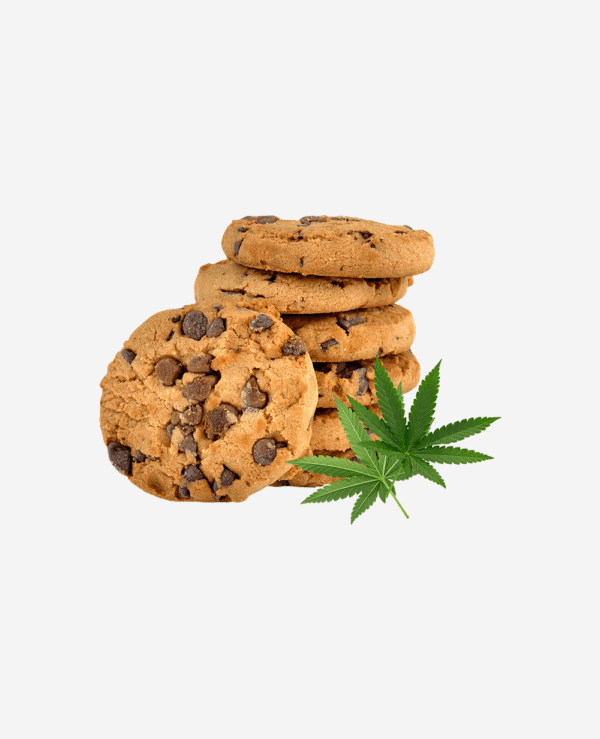
The crucial word here is "active." This part of the law only measures the THC that is immediately able to produce a high, creating a significant loophole. This is where a compound called THCA comes into play. Think of THCA as raw cookie dough and active THC as the final, baked cookie. The dough isn't the real deal until you add heat. Similarly, THCA is an inactive compound found in the hemp plant that only converts into high-producing THC when heated, like in a vape or during certain processing methods.
By focusing only on "active" THC, the current law doesn't fully account for all the potential THC locked away as THCA. This allows producers to create products that are technically compliant but can still deliver a powerful effect. This loophole is central to understanding the difference between products like Delta-8 and Delta-9, but this legal gray area is about to change. Lawmakers are now preparing for a new standard called the "Total THC" calculation.
The 2026 Farm Bill Update: What "Total THC" Means for Your Favorite Products
That "cookie dough" loophole we just discussed, which allows for potent products by only measuring active THC, is set to close. Lawmakers are preparing for a major update expected in 2026, shifting the legal standard from the current rule to a much stricter measurement called "Total THC." This change is designed to regulate hemp products more consistently and will significantly impact what's available on the market.
So, what exactly is "Total THC"? Think of it as the complete picture of a product's potential. Instead of only measuring the "baked cookie" (the active Delta-9 THC), the new rule will add the "raw cookie dough" (the potential THC from THCa) into the final count. A product's Total THC level will be calculated by adding its active Delta-9 THC content to the amount of THCa it contains. To remain legal hemp, this combined total must stay below the 0.3% threshold.
This new, all-inclusive test will have major consequences for many products you see today. For example, hemp flower and vape cartridges that are rich in THCa, which rely on heat to become potent, will likely fail this stricter test. Under the 2026 Total THC law, many of these products will no longer be considered legal hemp and could disappear from general retailers. Products that are primarily CBD with naturally low levels of THCa, however, should remain compliant and widely available.
This upcoming shift means transparency and lab testing will become more critical than ever. As a consumer, your best strategy will be to shop with brands that are clear about their compliance and provide easy-to-understand lab reports. Knowing how to read these reports will empower you to verify that your products are not only effective but also fully legal, both now and in the future.
How to Read a Lab Report (COA) and Verify Your Product is Legal
With the upcoming focus on "Total THC," your best tool for shopping with confidence is the product's lab report, known as a Certificate of Analysis (COA). Think of a COA as a nutritional label for cannabinoids. Any trustworthy brand will provide one for every product, proving it has been tested by an independent, third-party lab. This document shows the exact amount of each cannabinoid, giving you a transparent look inside the bottle and confirming its legality.
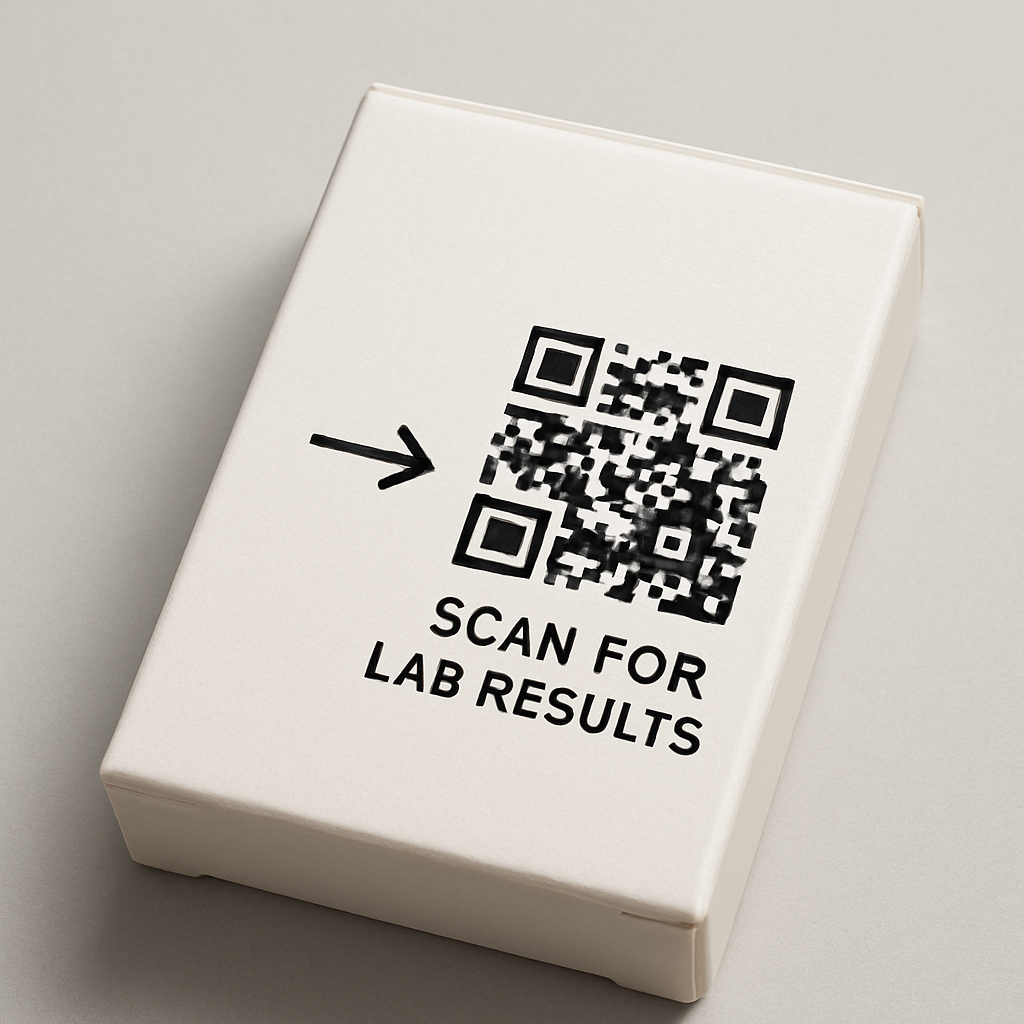
Most brands make accessing them simple, often by placing a QR code right on the package. By mastering this quick check, you can easily verify THC levels in products yourself.
Here's how to read a cannabinoid Certificate of Analysis to ensure a product is compliant both today and after the 2026 rule change:
- Step 1: Find the COA. Scan the QR code on the product’s label or box with your phone’s camera. This should take you directly to the lab report.
- Step 2: Locate the Cannabinoid Profile. On the report, look for a chart or section titled "Cannabinoids," "Potency," or "Cannabinoid Profile."
- Step 3: Check the Total THC. Find the line item for "Total THC" or "Max THC." For the product to be considered legal hemp, this number must be at or below 0.3%.
That's it. This simple three-step process empowers you to cut through the noise and confirm that what you're buying is safe and federally compliant. By knowing how to check the Total THC, you can continue to purchase your favorite products with complete peace of mind, no matter how the rules evolve.
Choosing the Right Compliant Oil for Your Goals
Knowing a product is compliant is the first step, but the next question is more personal: which one is right for you? The best cannabinoid oil for beginners and experienced users alike depends entirely on the desired outcome, whether that’s supporting sleep, unwinding after a long day, or finding a gentle, social buzz.
For wellness benefits without any "high," CBD is the clear choice. If you want to ensure there is absolutely zero THC in your product, look for Broad-Spectrum CBD. These oils have had the THC completely removed while keeping other beneficial hemp compounds. In contrast, Full-Spectrum CBD contains trace amounts of THC, which is why checking the "Total THC" on a lab report remains important, even for some CBD products.
On the other hand, if your goal is gentle relaxation with a mild euphoric feeling, a compliant Delta-8 or Delta-9 oil is a better fit. Think of Delta-8 THC as "THC-lite"—it’s known for providing a clearer, less intense experience. Legally compliant Delta-9 oils are formulated to provide an effect closer to the classic THC buzz, just in a carefully measured and legal dose.
Choosing a legal oil comes down to matching the product to your personal wellness goals. Whether you prefer the THC-free calm of Broad-Spectrum CBD or the mild euphoria of a compliant Delta product, the power is in your hands. By pairing your desired effect with a quick check of the lab report, you can shop with total confidence.
Shop with Confidence: Your 3-Step Plan for Safe and Legal Cannabinoids
You started this journey looking at a wall of cannabinoid products that all seemed the same. Now, you can see the landscape clearly. You know the difference between CBD’s calm, Delta-8’s mild buzz, and Delta-9’s classic effects. More importantly, you understand the upcoming 2026 rules and have the power to choose products that are both effective and safe.
To make your next purchase simple and secure, use this quick hemp product compliance checklist for consumers:
- Define Your Goal: Are you seeking relaxation without a high (CBD) or a gentle buzz (Delta-8/9)?
- Check the Cannabinoid: Confirm the product label matches your goal.
- Verify the Lab Report (COA): Always look for the test results to ensure the product is legal and safe.
This knowledge is your personal guide to finding federally compliant hemp products and avoiding the risks associated with non-compliant ones. By seeking out brands that provide transparent lab results, you can ensure their products meet current and future standards and shop with complete confidence. You're no longer just guessing—you're an informed consumer in full control of your wellness choices.