

Filter By
Delta 8 THC Vapes
You’ve seen them at the gas station and the vape shop: sleekly packaged vapes labeled "Delta 8 THC." If THC is the main compound in marijuana, how can this possibly be sold out in the open? You’re right to be confused, and the answer is far more complicated than the slick marketing suggests. This isn't just another vape flavor; it's a product born from a legal gray area.
Delta-8 is often called a “milder cousin” to the THC found in traditional marijuana, but its widespread availability has created a Wild West market. Because these products are largely unregulated, the U.S. Food and Drug Administration has issued multiple warnings about potential health risks. In practice, this means the potency and purity listed on a package might not match what’s actually inside. This guide cuts through the confusion, explaining its legality, safety risks, and how to read a product’s lab report—the most important tool for understanding what you’re buying.
What Is Delta-8 THC? Your Guide to Marijuana's Milder Cousin
To understand Delta-8, it helps to start with its family. The cannabis plant contains over one hundred natural compounds called cannabinoids. You’ve likely heard of its two most famous relatives: CBD (which doesn't cause a high) and Delta-9 THC, the primary psychoactive compound in marijuana. Delta-8 THC is essentially Delta-9’s less potent cousin. They are almost chemically identical, but one tiny structural difference is the reason for its significantly milder effects.
The most important distinction is how it feels. While Delta-9 THC is known for its powerful high, Delta-8 is widely reported by users to be much more subdued. Many describe the experience as a clearer-headed and less anxious buzz. Think of Delta-9 as a strong, dark-roast coffee and Delta-8 as a lighter breakfast blend—they come from the same plant family, but one is noticeably less intense.
Unlike CBD, however, Delta-8 is still psychoactive. This is a key difference: it will alter your mood and perception, producing a definite high that CBD does not. This psychoactive nature raises an immediate question: if it affects you like THC, how can it be sold so openly? The answer lies in a complicated legal gray area.
How Can Delta-8 Be Legal? The Farm Bill Loophole Explained
The legality of Delta-8 is one of the most confusing parts of the cannabis landscape, tracing back to the 2018 Farm Bill. This law made a crucial distinction: it federally legalized "hemp," defined as a cannabis plant containing less than 0.3% of Delta-9 THC (the main psychoactive compound in marijuana). Any cannabis plant with more than that is still considered illegal marijuana.
This created a legal gray area that Delta-8 producers quickly exploited. Since most Delta-8 products are derived from legal hemp, and the law only specifically limits Delta-9 THC, a compelling argument was born. The logic works like this:
- Step 1: The 2018 Farm Bill made hemp legal.
- Step 2: The legal definition of hemp hinges on having less than 0.3% Delta-9 THC.
- Step 3: Because Delta-8 is a different cannabinoid, some argue that any product containing it—including THC vape juice—is legal as long as it comes from hemp and stays below the Delta-9 limit.
So, are Delta-8 pens legal? The answer is a frustrating "it depends." While the federal loophole exists, many states have passed their own laws specifically banning or restricting the sale of Delta-8. This means a product sold openly in one state could be illegal in the next, and the legal landscape is constantly shifting.
This complicated legal status is a major red flag for safety. Because Delta-8 exists in this unregulated space, no government agency is checking these products for purity, potency, or harmful contaminants. This leads to the most important question of all: is it safe to use?
The Hidden Risks: Why Unregulated Delta-8 Vapes Can Be Dangerous
That unregulated status leads directly to the biggest safety concerns with Delta-8 vapes. Unlike prescription drugs or alcohol, there is no federal agency like the FDA checking these products before they hit shelves. This creates a “buyer beware” market where the quality and safety of what you’re inhaling can vary wildly from one product to the next.
A major reason for this risk comes from how most Delta-8 is made. Because Delta-8 exists in only tiny amounts in the hemp plant, it must be created in a lab. Manufacturers take abundant, legal CBD and use a chemical process to convert it into Delta-8. If this process is done in a sophisticated lab, it can be clean. But in an unregulated environment, shortcuts can leave behind harsh chemical residues and unknown byproducts—contaminants you don't want to inhale.
Finally, without any oversight, the label on a Delta-8 vape may not tell the whole story. Independent lab tests on popular products have frequently found that they contain far more or less Delta-8 than advertised. Worse, some have been found to contain illegal levels of Delta-9 THC or other harmful substances not listed on the packaging. You could get a product that is much stronger or weaker than you expect, with ingredients you never intended to consume.
How to Read a Lab Report (COA) to Find a Safer Delta-8 Vape
Given these risks, how can you tell a good product from a bad one? Reputable brands provide a Certificate of Analysis (COA). Think of this as the product’s official report card from an independent, third-party lab, usually accessible by scanning a QR code on the packaging. If there’s no QR code or link to a lab report, that’s your first major red flag.
Once you have the report open, first look for the potency test. This confirms that the amount of Delta-8 THC matches what the label claims and, more importantly, that the Delta-9 THC is below the legal limit of 0.3%. If that number is higher, the product is technically illegal and may be stronger than you want.
Next is the contaminant panel. Because Delta-8 is created in a lab, this test ensures no harmful chemical residues were left behind. It also screens for pesticides from the original hemp plant and heavy metals that can be absorbed from the soil. A clean report should show "Pass" or "ND" (Not Detected) for all of these.
A trustworthy COA helps separate the best delta-8 cartridges for beginners from the risky ones. Before buying, run through this quick mental checklist:
- Is it recent? The test date should be within the last year.
- Is it legal? The Delta-9 THC level must be under 0.3%.
- Is it clean? It must include a “full panel” that tests for solvents, pesticides, and heavy metals, with a "Pass" or "ND" result for each.
If a brand can’t provide this proof of quality, it’s best to walk away.
What to Expect: How Long It Takes to Feel Effects and How It Feels
One of the biggest differences between vaping Delta-8 and using edibles is speed. When wondering how long for a delta 8 vape to kick in, the answer is just minutes. Because the vapor is inhaled directly into the lungs, it enters the bloodstream rapidly. Most people report feeling initial effects within 5 to 15 minutes, making it easy to gauge how you’re feeling without a long, uncertain wait.
Once the effects begin, the main experience typically lasts for one to three hours. This is where Delta-8’s reputation as a "milder cousin" comes into play. The psychoactive effects explained by users are often a gentle sense of full-body relaxation and a mild, clear-headed euphoria. Many people find they can remain focused and sociable, without the intense mental haze or anxiety that can accompany the more potent Delta-9 THC.
As the main experience fades, you might notice a lingering sense of calm or sleepiness, which is why some use delta 8 for anxiety and sleep in the evenings. The effects tend to taper off gently without a sudden crash. Because the feeling arrives so quickly, it’s crucial to start slowly to understand how it will personally affect you.
Your First Time: How to Use a Delta-8 Disposable Vape Pen
Stepping into the world of THC vape pens can feel intimidating, but disposable vapes are designed to be incredibly simple. Most are either “draw-activated,” meaning they produce vapor when you inhale, or they have a single button you press. Knowing which kind you have is the first step to a predictable experience.
For those wondering how to use a delta 8 disposable, the process is straightforward:
- Remove the pen from its packaging. Take off any rubber stoppers on the mouthpiece or charging port.
- Check for a button. If there’s no button, it's draw-activated. If there is one, click it five times quickly to turn it on (and five times to turn it off).
- Take one small puff. Inhale gently for just 1-2 seconds, as if sipping through a straw. This is the most important step.
- Wait and gauge the effects. Set the pen down and wait at least 15-20 minutes to see how you feel.
That initial small puff helps prime the device and ensures you don’t take too much at once. Since the effects arrive quickly, resisting the urge to take another hit right away is crucial. This mindful approach makes for the best delta 8 experience for beginners. By starting small and waiting, you stay in control and can comfortably find the right level for you.
Common Problems: What to Do If Your Delta-8 Vape Pen Isn't Working
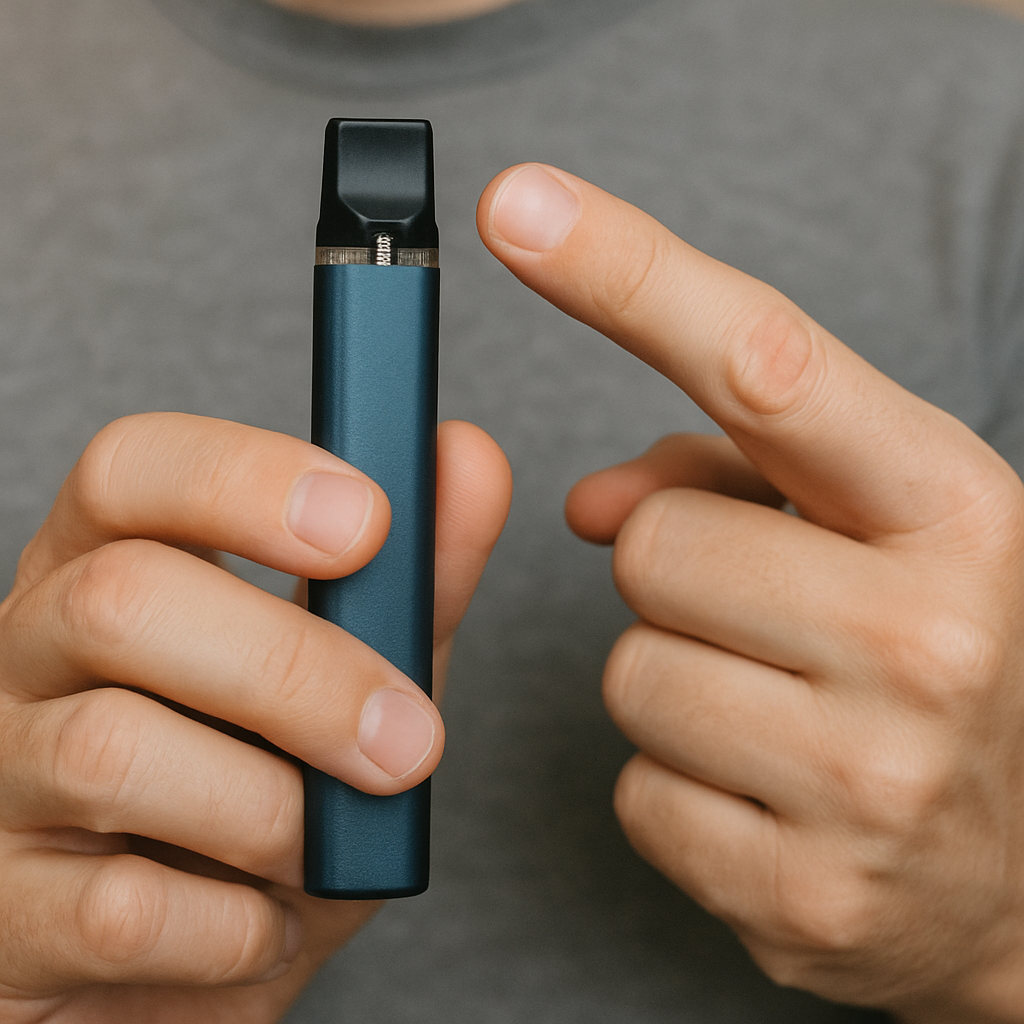
Sooner or later, you'll take a puff from your pen and get... nothing. If the pen is on but no vapor comes out, you're likely dealing with a simple clog. Delta-8 oil is thick and can harden as it cools, blocking the airway. The easiest fix is to warm the device. Try rolling the pen between your palms for a minute to gently heat the oil. You can also try taking a few short, sharp pulls without activating the heat (if possible) to create suction and dislodge the blockage.
Another common reason a delta 8 vape pen is not working is a dead battery, usually indicated by a blinking light when you inhale. While some pens are truly disposable, many modern ones are rechargeable. Check the bottom of the pen for a micro-USB or USB-C charging port. A 20-30 minute charge is often all it takes to bring the pen back to life.
Ultimately, most issues with THC vape pens boil down to a simple clog or a battery that needs a quick charge. Understanding these quirks can save you from frustration and the cost of replacing a perfectly good pen. These differences in design, especially regarding rechargeable vs disposable vapes, also bring up a bigger question about the best gear for your needs.
Choosing Your Gear: Disposable Vapes vs. Reusable Cartridges
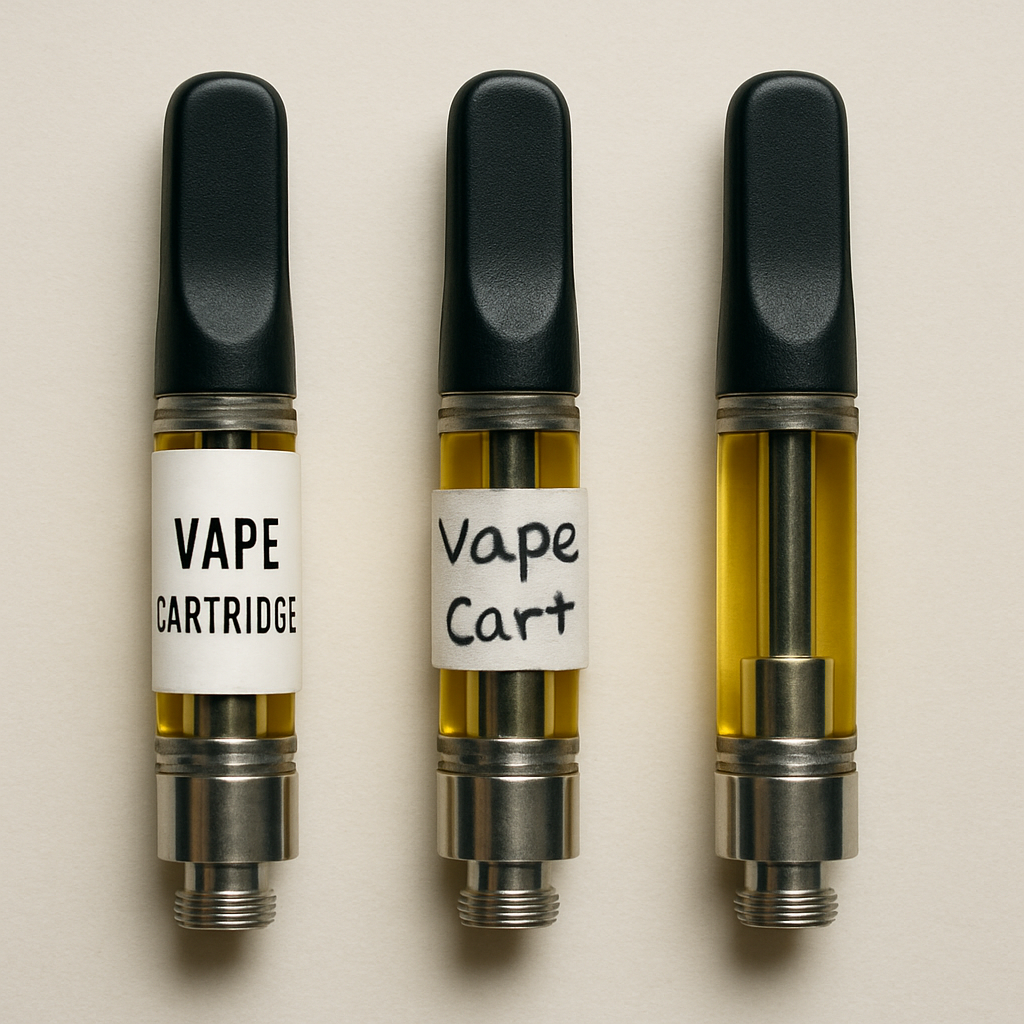
The choice between rechargeable vs disposable vapes often boils down to a trade-off between convenience and long-term cost. A disposable vape is the ultimate grab-and-go option. It’s an all-in-one device—battery, heating element, and Delta-8 oil sealed in a single unit. There’s no setup, and you just use it until it’s empty. While simple for beginners, you are limited to the specific oil and hardware the manufacturer chose.
For more flexibility, many users opt for a reusable system with a separate battery and a replaceable cartridge. When choosing the right vape battery, you'll find most are "510-thread," the industry's standard screw-on connection. This allows you to mix and match batteries and explore a wider variety of cartridges, which offer different terpene profiles in vape carts for unique flavors and effects.
Whether you use disposables or cartridges, knowing how to store vape cartridges properly prevents clogs and leaks. Always store them upright in a cool, dark place, like a drawer. This keeps the thick oil settled near the heating element and protects it from heat and sunlight, which can break down the compounds inside. Making informed choices about your hardware is as important as the final question: is Delta-8 right for you?
Your Delta-8 Verdict: Is It Worth the Risk for You?
You started this journey seeing unfamiliar products and wondering what they were. Now, you can look past the marketing and understand the fundamental trade-off at the heart of Delta 8: a potentially milder experience in exchange for navigating a landscape of legal uncertainty and safety risks. This clarity is your new advantage.
This knowledge empowers you to act with confidence. Your first step is to look up your state's current laws on Delta 8. If the path is legally clear, your next move is to practice finding a product’s full lab report online. Being able to vet this certificate for any THC vape juice is the most important skill this guide can offer.
Ultimately, the goal was never a simple "yes" or "no." It was to equip you to make your own informed decision. You no longer see just Delta 8 THC vapes; you see a choice that you are now fully prepared to evaluate for yourself, based on facts, not hype.